
Why won’t my newborn baby latch? Looking at the reasons behind latch challenges
If you’ve just had your baby and breastfeeding isn’t going to plan, you’re not alone—and you’re certainly not doing anything wrong.
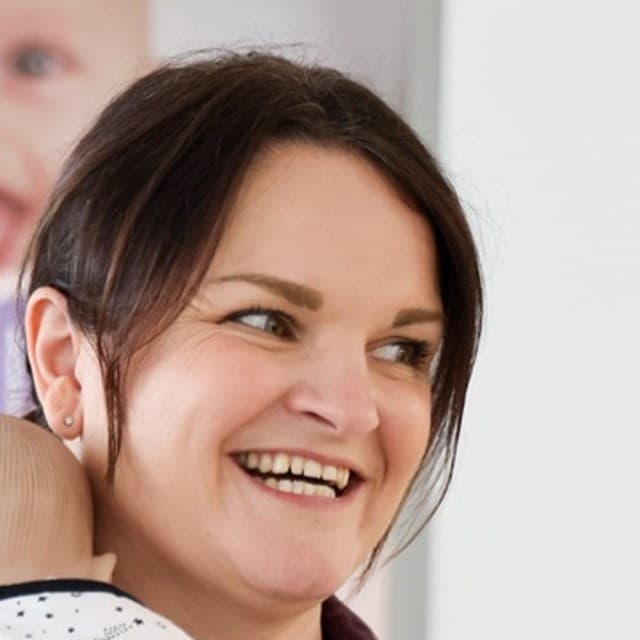

Struggling to get your baby to breastfeed? You’re not failing — Here’s what might be going on
If you’ve just had your baby and breastfeeding isn’t going to plan, you’re not alone—and you’re certainly not doing anything wrong. At Lullabies, I meet countless new mums across Dubai and beyond who expected breastfeeding to 'just work'… only to find that latching feels anything but easy. So if your newborn is struggling to latchGlossaryLatch — also called attachment — describes how a baby takes the nipple and a good portion of the surrounding breast into their mouth to breastfeed. The NHS advises bringing the baby to the breast and letting them attach themselves, rathe…Read the full definition →—or refusing the breast altogether—take a deep breath. There are reasons, and more importantly, there is support.
Let’s gently explore why your baby might not be latching—and how to move forward.
First things first: What is a “latch”?
Latching is the process of your baby attaching to the breast in a way that allows them to draw out milk efficiently and comfortably.
A good latch:
- Doesn’t hurt your nipples
- Allows baby to take in both nipple and part of the areola
- Promotes effective milk transfer
- Often leads to audible swallowing and steady sucking
But what happens when that latch just isn’t happening?
Common reasons your baby might not latch
1. Inverted or flat nipples
Inverted or flat nipples can make it harder for your baby to get a good grip—especially in those first few days when they're still figuring things out.
Nipple shields, hand expressingGlossaryHand expressing — also called hand expression — is the technique of using the hands to compress the breast and release milk. The NHS outlines the method: form a "C" shape with the forefinger and thumb a few centimetres back from the nipp…Read the full definition →, or pumping before a feed may help.
2. Prematurity or NICU admission
Babies born early often have underdeveloped sucking reflexes and may start out feeding via NG tube or bottle, which affects oral coordination. NICU babies may also associate feeding with stress or separation.
Gentle skin-to-skinGlossarySkin-to-skin contact involves holding a baby, wearing only a nappy, directly against a caregiver's bare chest, usually covered with a warm blanket. UNICEF UK's Baby Friendly Initiative describes it as when "a baby is dried and laid direc…Read the full definition →, paced bottle feedingGlossaryPaced bottle feeding is a method of bottle feeding that gives the baby greater control over the rate at which they take milk. The NHS describes it as "a way of giving your baby more control over feeds" that helps a bottle feed "mimic the…Read the full definition →, and non-nutritive suckling can support the transition.
3. Birth trauma or difficult delivery
If labour was fast, assisted (forceps or vacuum), or stressful, your baby might be a little overwhelmed or physically uncomfortable.
Craniosacral therapy or infant massage can help release tension.
4. Tongue tie or oral restrictions
A tongue tieGlossaryTongue tie, known medically as ankyloglossia, is defined by the NHS as a condition "where the piece of skin connecting the tongue to the bottom of the mouth is shorter or tighter than usual". This may restrict the tongue's ability to mov…Read the full definition → or lip tie can make latching painful, shallow, or ineffective. This is a common cause of latch issues, often underdiagnosed in early days.
An assessment by a trained lactation consultant or tongue tie specialist is key.
5. Fast letdown or overactive milk flow
Some babies struggle when milk comes out too quickly—causing choking, pulling off the breast, or fussiness during feeds.
Try laid-back breastfeeding positions to slow flow, or express a little before latching.
6. Small for dates or low birth weight
Tiny babies tire quickly. Even if they latch initially, they may not be able to sustain a full feed at the breast.
Frequent short feeds, top-ups, and weight checks can help bridge the gap.
7. Jaundice or sleepiness
Newborns with jaundice can be very sleepy and too drowsy to feed properly.
Gentle waking techniques like skin-to-skin and breast compressions during feeds can help keep baby alert and feeding.
8. Mum’s positioning or technique
Sometimes, it’s not about baby at all—it’s just that you’ve never done this before, and your positioning may need tweaking.
That’s where a lactation consultant can help—small changes can make a huge difference.
When you’ve tried everything… and it’s still not working
This is where many mums start to spiral and worry:
“Why won’t my baby breastfeed?”
“What if I’m doing something wrong?”
“Is it because of the birth?”
And sometimes, yes—a traumatic birth, NICU admission, or separation after delivery can interfere with early feeding cues and instinctive behaviours. If your baby won’t latch after a traumatic birth, or you’re still reeling emotionally from the experience, a birth debrief may help you make sense of things and find healing.
You are not failing — And you are not alone
Latch issues don’t mean you’re broken. They don’t mean your baby is rejecting you. They mean you’re both learning—and sometimes, you need some gentle, personalised support. At Lullabies, I offer:
In-home and virtual lactation support sessions
Help with nipple shields, expressing, and combo feeding
Advice on when to introduce bottles or cup feeding
Birth debriefs and emotional support for parents navigating complex starts
Final thoughts
If your newborn isn’t latching, please know:
It’s not your fault.
There are many reasons why it might be happening.
And there are ways forward—with love, patience and support.
Feeding your baby is about connection—not perfection. If you're having difficulty feeding your baby, contact a lactation consultant for support. Let’s help you find a way that feels calm, informed, and right for your family.
Lisa Adair
Paediatric sleep consultant and Internationally Board Certified Lactation Consultant. Before founding Lullabies, Lisa spent 20+ yrs as a NICU and paediatric nurse with the NHS. She works with families in Dubai and worldwide, by video.


Notes from Lisa,
when they're worth sending.
New essays, what I’m reading, and answers to the questions I’ve heard most this fortnight. No promo, no scarcity, easy unsubscribe.
If this didn’t quite answer it, let’s talk.
A complimentary 15-minute call to tell me what’s going on. I’ll listen, and tell you honestly whether I’m the right person for what’s happening right now.