
Breastfeeding an older child feels completely different, and nobody warns you
The touched-out feeling, biting, distraction feeds, and boundaries with a toddler who can ask for milk out loud, what changes once breastfeeding moves from infancy into toddlerhood.
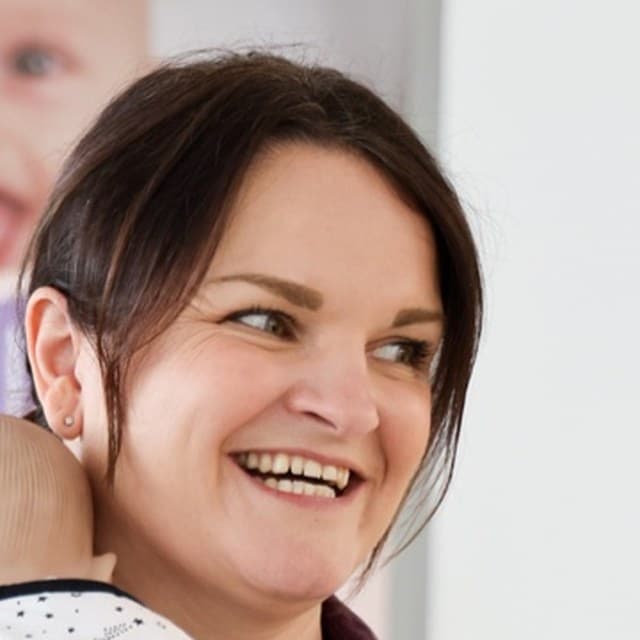

Somewhere between the newborn haze and the toddler years, breastfeeding turns into a different activity while still being called the same thing, and nobody hands you the memo. The baby who used to nurse in a milk-drunk trance is now a small person who can ask for it by name, negotiate the terms, pinch your other nipple "for fairness," bite you experimentally to see what happens, and generally treat a feed as one part of a much bigger, much louder relationship with you. If it feels harder, or stranger, or occasionally unbearable in a way early breastfeeding didn't, that's not you failing at something you used to be good at, it's a different thing altogether. It’s not the same - end of conversation.
The touched-out feeling is real, and it isn't a sign you should stop
Nursing aversion, that sudden, skin-crawling need for a feed to be over the second it starts, sometimes with real irritation or rage that feels wildly out of proportion, is common with older nurslings, and it is not evidence that your body has decided it's done, even though it can feel exactly like that in the moment. It shows up more in pregnancy, around ovulation, and simply from the sheer physical load of being touched by small hands all day, every day, which by toddlerhood has usually been going on for a very long time without a break. Noticing it doesn't mean you have to wean, it means you're allowed to set boundaries around feeds without treating that as a betrayal of the whole arrangement. You matter too. It’s a relationship by this point, and relationships are, by definition, consensual and with boundaries.
Biting, distraction, and the negotiation phase
The biting usually isn't malicious, whatever your reflexive yelp might have communicated to the contrary, it's teething, or boredom at the end of a feed, or a toddler testing a new skill on the nearest available surface, and a calm "that hurts Mummy, gentle" followed by ending the feed teaches the lesson without turning it into a drama either of you needs. The distraction era, twisting round mid-feed to look at the dog, popping on and off six times to ask a question, the general sense that a feed is now happening alongside a toddler's entire inner life rather than instead of it, is just what feeding an older child looks like, and it doesn't mean they don't need it.
You're allowed rules
This is the part that surprises the mums who come to me feeling guilty about wanting boundaries: you can keep breastfeeding an older child and still say no to feeding in certain places, or at certain times, or when you're touched out and need ten minutes first. Feeding an older child on demand and feeding an older child without limits are not the same commitment, and confusing the two is usually what tips an otherwise sustainable feeding relationship into one that starts to resent itself.
If breastfeeding your toddler has started to feel like a different, harder job than the one you signed up for, that's not a sign it's time to stop, and it's not a sign you're doing it wrong, it's a sign the job description changed, the way every part of parenting a toddler changes from the version that worked for a newborn, and you're allowed to adjust the terms.
If you're not sure where the line is between normal toddler nursing chaos and something that needs proper support, book a free consultation, and we'll figure out what's actually going on.
Lisa Adair
Paediatric sleep consultant and Internationally Board Certified Lactation Consultant. Before founding Lullabies, Lisa spent 20+ yrs as a NICU and paediatric nurse with the NHS. She works with families in Dubai and worldwide, by video.


Notes from Lisa,
when they're worth sending.
New essays, what I’m reading, and answers to the questions I’ve heard most this fortnight. No promo, no scarcity, easy unsubscribe.
If this didn’t quite answer it, let’s talk.
A complimentary 15-minute call to tell me what’s going on. I’ll listen, and tell you honestly whether I’m the right person for what’s happening right now.